Dog Waste and Lawn Health: Protecting Your Green Grass in 2026
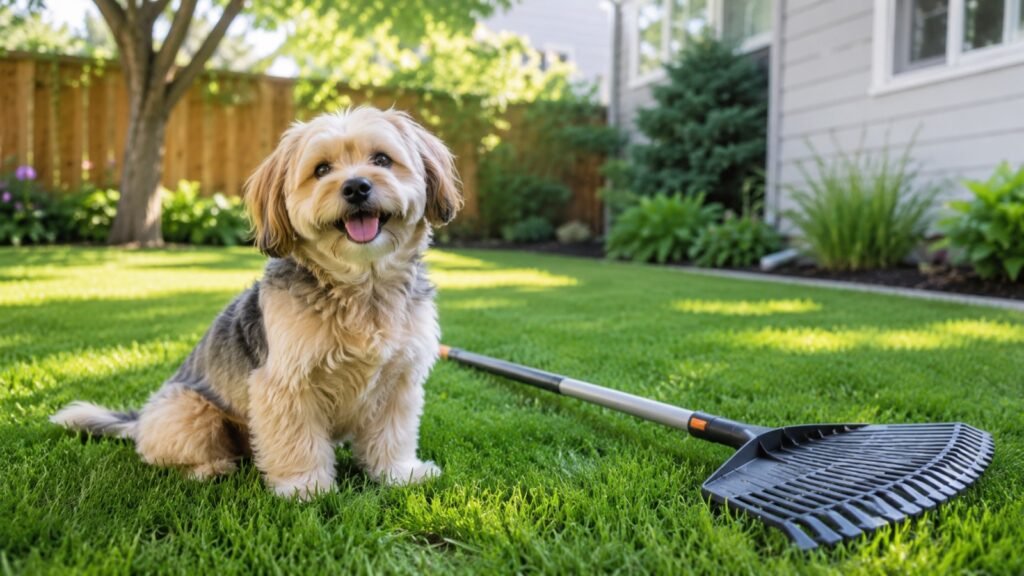
Many homeowners assume that dog waste and lawn health go hand in hand, treating droppings like free fertilizer. Unfortunately, the truth is the opposite. Dog poop and urine can quietly damage your turf, leaving brown patches, weak roots, and thin, patchy grass. If you love both your dog and your yard, understanding this relationship is the first step toward keeping everything green.
In this guide, we break down exactly how pet waste harms your lawn, bust a few stubborn myths, and share practical steps to maintain a healthy, vibrant yard all year long. With the right routine, you really can have a beautiful lawn and a happy dog.
Why Dog Waste and Lawn Health Are Deeply Connected
Your lawn is a living ecosystem, and it reacts strongly to whatever lands on it. Dog waste introduces bacteria, excess nitrogen, and acidity that grass simply cannot process the way many people expect. Instead of nourishing the soil, waste often overwhelms it.
Additionally, uncollected poop can wash into storm drains during rain. According to the EPA’s guidance on protecting your yard, pet waste is a significant source of nutrient pollution that harms local waterways. So proper cleanup protects more than just your grass.
The Nitrogen Problem
Dog urine and feces are extremely high in nitrogen. While grass does need some nitrogen to grow, too much of it burns the blades and roots. This is why you often see dark green rings surrounding a dead brown center, a classic sign of nitrogen overload.
Common Myths About Dog Poop as Fertilizer
One of the most persistent myths is that dog poop works like cow manure. It does not. Herbivore manure comes from plant-eating animals, so it breaks down safely into usable nutrients. Dogs, however, eat protein-rich diets that produce acidic, bacteria-heavy waste.
Let’s clear up the biggest misconceptions:
- Myth: Dog poop fertilizes grass. In reality, it releases too much nitrogen and pathogens, harming turf rather than feeding it.
- Myth: Rain washes it away harmlessly. Rain actually spreads bacteria and pushes contaminants into soil and waterways.
- Myth: Small amounts don’t matter. Even a little waste compounds over weeks, creating dead spots and odor.
- Myth: Mowing over it is fine. Mowing simply scatters harmful bacteria across the entire lawn.
Because these myths persist, many yards suffer needlessly. The safest approach is consistent, thorough removal rather than leaving waste to “compost” on its own.
Understanding Urine Burn and Brown Spots
Urine burn is one of the most frustrating problems for dog owners. Those unsightly yellow and brown patches appear because concentrated nitrogen and salts scorch the grass at the point of contact. Female dogs and larger breeds tend to cause more damage simply because they release more urine in one spot.
Meanwhile, the surrounding grass may look greener than usual. That “halo” effect happens because diluted nitrogen at the edges fertilizes lightly, while the center gets overwhelmed. It creates a telltale ring that many homeowners recognize instantly.
How Waste Affects Different Grass Types
Not all turf reacts the same way. The table below shows how common US lawn grasses respond to concentrated pet waste and urine.
| Grass Type | Sensitivity to Waste | Recovery Speed |
|---|---|---|
| Kentucky Bluegrass | High | Slow |
| Bermuda Grass | Moderate | Fast |
| Fescue | Moderate | Medium |
| Ryegrass | High | Slow |
| Zoysia | Low | Medium |
Knowing your grass type helps you plan the right defense. Hardier warm-season grasses bounce back quickly, while cool-season varieties need extra care and faster cleanup.
How to Keep a Green, Healthy Lawn With Dogs
Fortunately, protecting your lawn does not mean choosing between your pet and your yard. With a consistent routine, you can enjoy both. Follow these steps to minimize damage and keep your grass thriving.
- Remove waste daily. The faster you scoop, the less time bacteria and nitrogen have to seep into the soil.
- Water high-traffic spots. Rinsing urine areas within a few hours dilutes the nitrogen and prevents burn.
- Create a designated potty zone. Training your dog to use one gravel or mulch area protects the rest of the lawn.
- Test and balance your soil. Correcting pH and nutrients helps grass resist stress and recover faster.
- Reseed damaged patches. Overseeding in spring and fall keeps your turf thick and resilient.
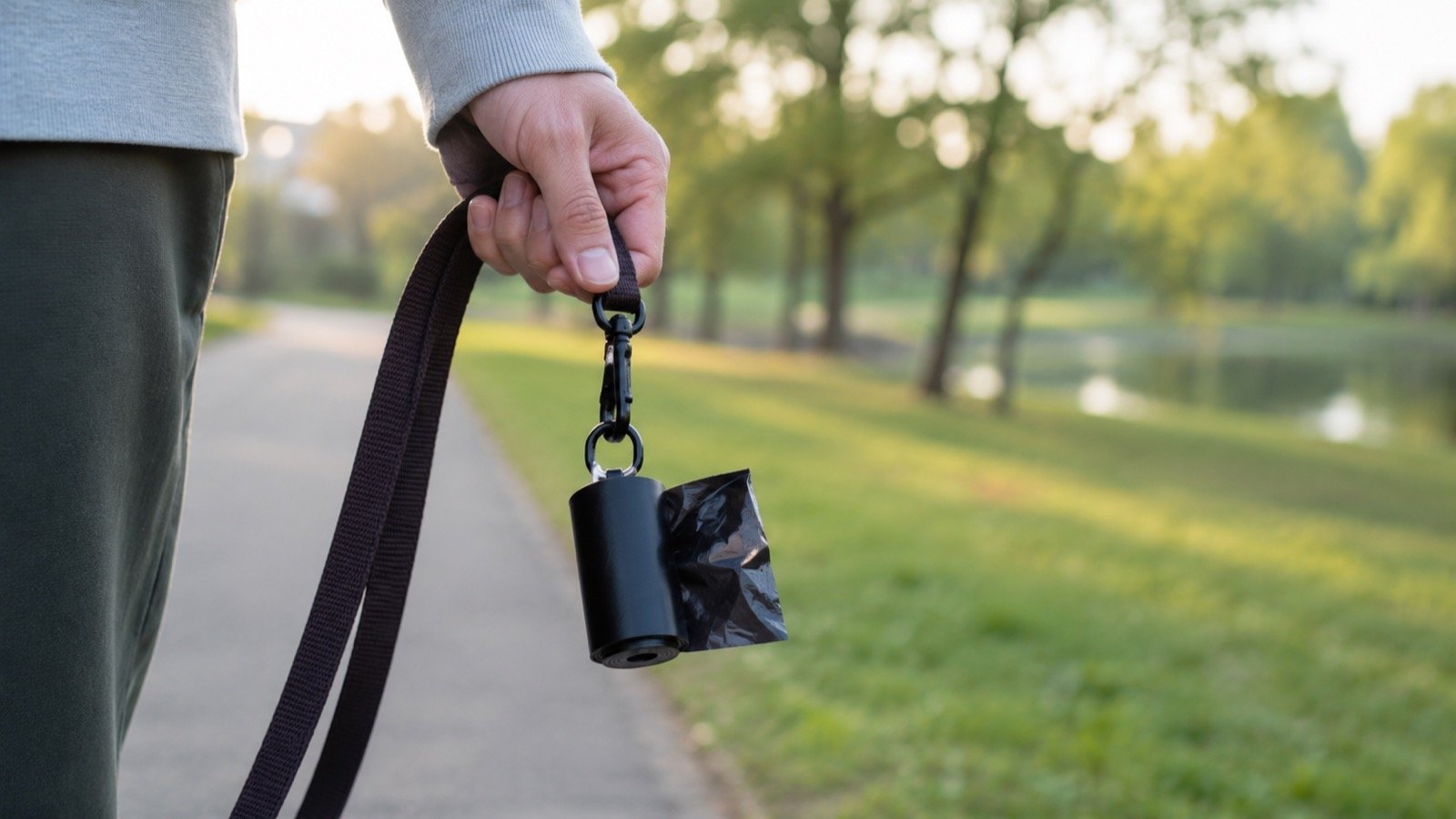
Using durable cleanup supplies makes daily removal far easier. Stocking up on Heavy duty trash bags ensures you can collect and dispose of waste without leaks, tears, or lingering odor.
The Value of Professional Scooping
Life gets busy, and daily scooping is easy to skip. That is where professional pooper-scooper services shine. A reliable crew keeps your yard consistently clean, which directly protects your lawn from long-term waste buildup.
Professionals also spot early signs of turf stress and know how to dispose of waste responsibly. For homeowners who want a guaranteed green lawn, hiring reputable service experts takes the burden off your shoulders entirely.
Health and Environmental Benefits of Cleanup
Beyond aesthetics, proper waste removal protects your family’s health. Dog feces can carry parasites and bacteria such as roundworms, giardia, and E. coli. The CDC’s healthy pets resources highlight how these pathogens can spread to people, especially children who play on the grass.
Regular cleanup also keeps your neighborhood cleaner. Waste that lingers attracts flies, produces odor, and contaminates soil for months. A tidy yard is a healthier yard for everyone who steps on it.
- Reduces harmful bacteria and parasite exposure.
- Prevents nutrient pollution in local waterways.
- Eliminates odor and pest attraction.
- Keeps grass roots strong and disease-resistant.
Building a 2026 Lawn-Care Routine That Works
As we move through 2026, more homeowners are embracing simple, sustainable yard habits. The key is consistency rather than intensity. A few minutes of daily attention outperforms occasional deep cleanups every time.
Pair your scooping routine with seasonal fertilizing, deep watering, and regular mowing at the right height. Together, these habits build a lawn that resists urine burn and shrugs off the stress that pet ownership brings. Trusted providers like Gogostik offer supplies and support that make sticking to that routine painless.
Frequently Asked Questions
Does dog poop actually fertilize my lawn?
No. Unlike herbivore manure, dog waste is acidic and high in pathogens. It releases too much nitrogen at once, which burns grass and introduces harmful bacteria instead of nourishing the soil.
How do I stop urine from burning my grass?
Rinse the affected spots with water within a few hours to dilute the nitrogen. Creating a designated potty area and encouraging your dog to drink plenty of water also reduces concentration and damage.
How often should waste be removed for a healthy lawn?
Daily removal is ideal. The longer waste sits, the more nitrogen and bacteria seep into the soil. If daily scooping is not realistic, a professional service can maintain consistency for you.
Can a damaged lawn recover from pet waste?
Yes. Most lawns bounce back with proper care. Reseed the dead patches, balance your soil, water consistently, and keep up with cleanup to restore a thick, green surface over time.
Conclusion: A Greener Lawn Starts With Smart Cleanup
Dog waste and lawn health are inseparable, but the relationship does not have to be destructive. With daily removal, smart watering, and the right supplies, you can protect your turf while keeping your dog happy. Small habits today prevent big, brown headaches tomorrow.
Ready to enjoy a spotless, green lawn without the hassle? Reach out to a trusted pet-waste-removal team and reclaim your yard in 2026. Your grass, your family, and your dog will thank you.