
Storage Services in Dubai: A 2026 Guide for Relocating Expats
Storage services in Dubai solve a very specific problem that most moving guides skip over: what do you do with an entire household of furniture when you’re leaving the city for one to three years but aren’t ready to sell everything? This came up recently for an expat family on a two-year secondment to Singapore who wanted to keep their Dubai apartment as a rental rather than terminate the lease, but couldn’t leave their furniture inside it for a tenant to deal with.
Their solution — and the one we’ll walk through here — was to empty the apartment completely, put the furniture into secure storage for the duration of the contract, and furnish the unit separately for the incoming tenant. It’s a more common scenario in Dubai’s 2026 rental market than people expect, given how many professionals rotate through two- and three-year postings.
Why Long-Term Storage Makes Sense for Relocating Families
Selling furniture and buying new pieces on return sounds simpler on paper, but the numbers rarely work out. Good furniture bought in Dubai often resells at a steep discount under time pressure, and replacing a full household’s worth of beds, wardrobes, and a dining set on return can cost more than two years of storage fees combined. For families who intend to come back, storage is usually the cheaper and less stressful option.
It also preserves sentimental and custom-made pieces — in this family’s case, a made-to-order wardrobe and a child’s bedroom set — that simply aren’t available to rebuy off the shelf.
How the Two-Year Storage Plan Actually Worked
Three weeks before their flight, the family began sorting items into three piles: furniture going into storage, items going with them in checked luggage, and anything to be sold or donated. This sorting step is where most people underestimate the time needed — it took them nearly a full weekend just to decide what was worth storing versus selling.
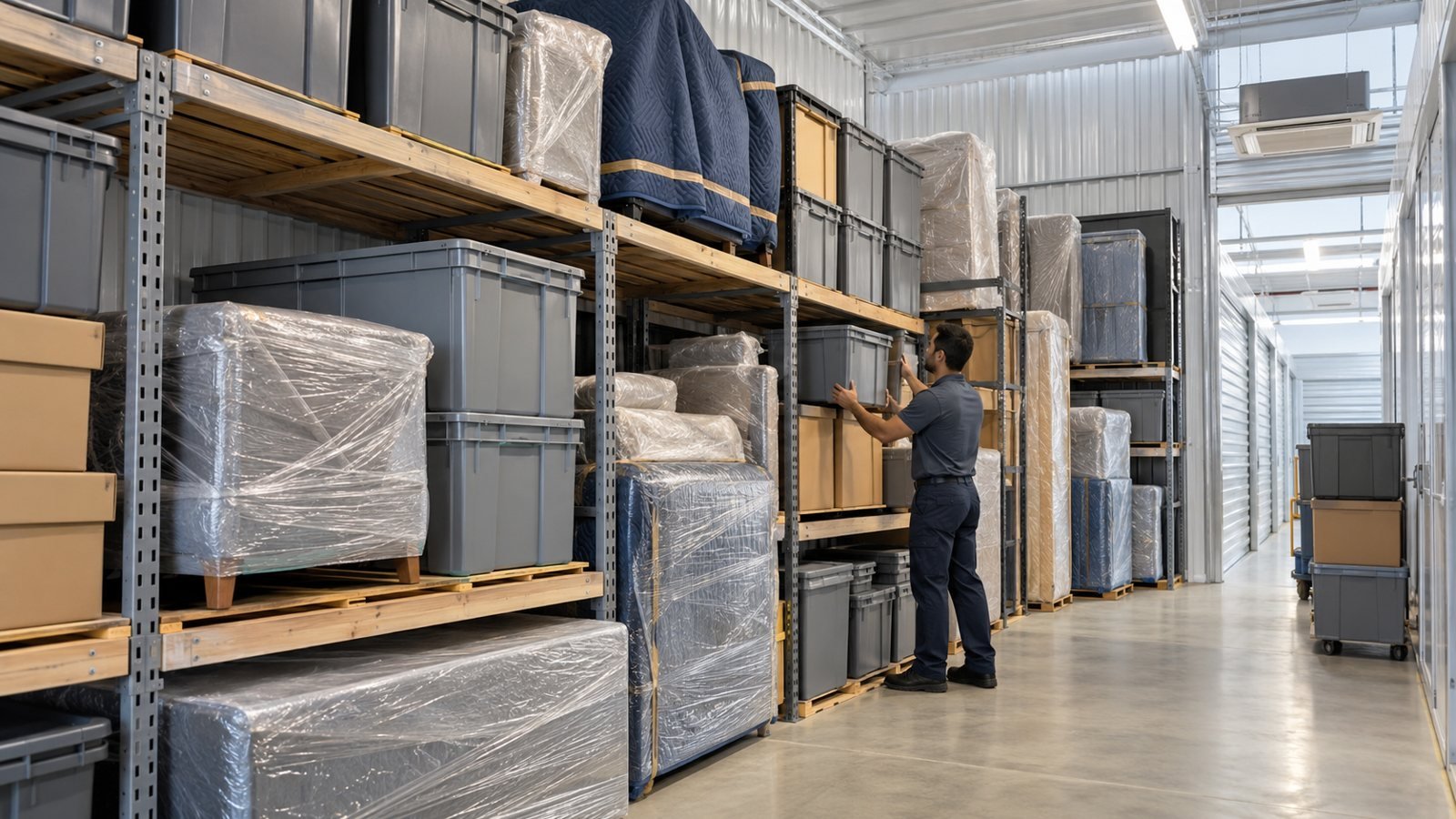
Once sorted, the stored items were inventoried room by room with photos, so nothing would be a surprise on return. Opting for professional storage services in Dubai rather than a self-storage unit meant the facility handled climate control, pest prevention, and secure racking for boxes — all things that matter over a multi-year period in Dubai’s heat and humidity, not just a short-term move.
What Happens to Furniture Left in Storage for Years, Not Months?
Humidity and heat are the real enemies of long-term storage in the UAE, not time itself. Wooden furniture can warp or crack if stored in a non-climate-controlled unit through a full Dubai summer, and leather upholstery can dry out or mildew depending on humidity levels. Climate-controlled facilities maintain stable temperature and humidity year-round, which is the single biggest factor in whether furniture comes out of two-year storage looking the same as it went in.
Moving Furniture Back In When the Contract Ends
When the secondment wrapped up, the process reversed: the tenant’s lease ended on schedule, and the family needed their stored furniture delivered and reassembled before move-in day. This is where choosing a reputable furniture moving company Dubai residents can rely on for both legs of the journey — storage and the return move — saved them from re-explaining the inventory to a brand-new vendor. The same company that logged the items two years earlier had the full inventory on file, which made the unpack-and-reassemble day go far faster than starting from scratch.
Storage Options Compared: Self-Storage vs Managed Facility vs Portable Container
Dubai offers a few different storage models, and the right one depends on how long you need it and how much handling you want to do yourself.
| Storage Type | Climate Control | Best Duration | Handling Required |
|---|---|---|---|
| Self-storage unit | Varies by facility | Weeks to months | You load/unload |
| Managed moving-company storage | Usually included | Months to years | Fully handled for you |
| Portable storage container | Rarely | Short-term only | Delivered to your door |
A Practical Checklist Before Putting Furniture Into Storage
- Photograph and inventory every item before it leaves your home, room by room.
- Disassemble bed frames and large wardrobes to reduce damage risk and storage footprint.
- Ask specifically whether the facility is climate-controlled — don’t assume it is.
- Confirm insurance coverage for the full storage period, not just during transport.
- Set a calendar reminder two months before your planned return to re-book the delivery slot early.
Finding Trustworthy Help for the Whole Process
Whether you’re storing furniture for two months or two years, the people handling your inventory matter as much as the facility itself. Families going through an international relocation often need several reliable local experts lined up at once, from the storage provider to whoever manages paperwork back home, and getting those relationships right early removes a lot of stress from a multi-year move abroad.
According to the UAE Government portal, residence visa and tenancy rules can affect how long you’re able to keep a lease active while abroad, which is worth checking before committing to a storage timeline longer than your visa or contract covers.
Frequently Asked Questions
How much does long-term furniture storage cost in Dubai?
Costs depend on volume (measured in cubic metres or by number of rooms) and whether climate control is included. A one-bedroom household typically costs a fraction of a full villa’s worth of furniture, and most providers offer discounted monthly rates for commitments beyond six months.
Is my furniture insured while in storage?
Reputable storage services in Dubai offer insurance options covering fire, water damage, and theft, but coverage levels vary significantly between providers — always ask for the policy terms in writing before signing.
Can I access my stored items during the storage period?
Most managed facilities allow scheduled access with advance notice, though frequent access requests may incur a retrieval fee. If you expect to need items periodically, ask about access terms before choosing a provider.
What’s the best way to store furniture for a two-year or longer relocation?
Climate-controlled, insured storage with a full photographed inventory is the safest approach for multi-year storage, since it protects against both humidity damage and any disputes about an item’s condition on return.
Final Thoughts
Long-term storage services in Dubai exist precisely for situations like a two-year work posting abroad — they let families keep their furniture, their lease flexibility, and their peace of mind without paying to rebuy a household twice. Plan the sort-and-inventory stage properly, confirm climate control, and keep the same provider for both the storage and the return move if you can; it’s the detail that made this family’s two-year round trip far less stressful than it could have been.