Solar Panel Installation Pakistan: A 2026 Step-by-Step Plan
Rising grid tariffs and long load-shedding hours have pushed thousands of households and small businesses toward rooftop power. If you are planning solar panel installation Pakistan homeowners can trust, the process is simpler than most people expect. It is also easier to get wrong than most people expect. This guide walks through each stage in the order it happens on a real site.
We focus on practical detail: what to measure, what to ask, and where installations usually go wrong. Use it as a checklist before you sign any quotation in 2026.
Why Rooftop Solar Makes Sense in 2026
Pakistan receives roughly 5 to 6 peak sun hours per day across most of Punjab, Sindh and Balochistan. That is excellent by global standards. A well-designed system therefore produces strong output for most of the year, even in hazy winter months.
Electricity bills have also climbed sharply over the last few years. As a result, payback periods for properly sized systems now commonly fall between three and five years. The International Energy Agency continues to rank solar PV among the cheapest sources of new electricity worldwide, which explains the surge in demand.
Step 1: Audit Your Real Electricity Use
Every good installation starts with your bills, not with a panel catalogue. Collect the last twelve months of units consumed, because summer air-conditioning loads can double winter use.
- Note your average monthly units (kWh) and your peak month.
- List heavy appliances: ACs, water pumps, irons, deep freezers.
- Decide whether you want to cut the bill, survive outages, or do both.
As a rule of thumb, a 5 kW system generates about 20 to 25 units per day in good conditions. Compare that figure with your daily use to see how much of your bill you can realistically remove.
Step 2: Site Survey and Roof Assessment
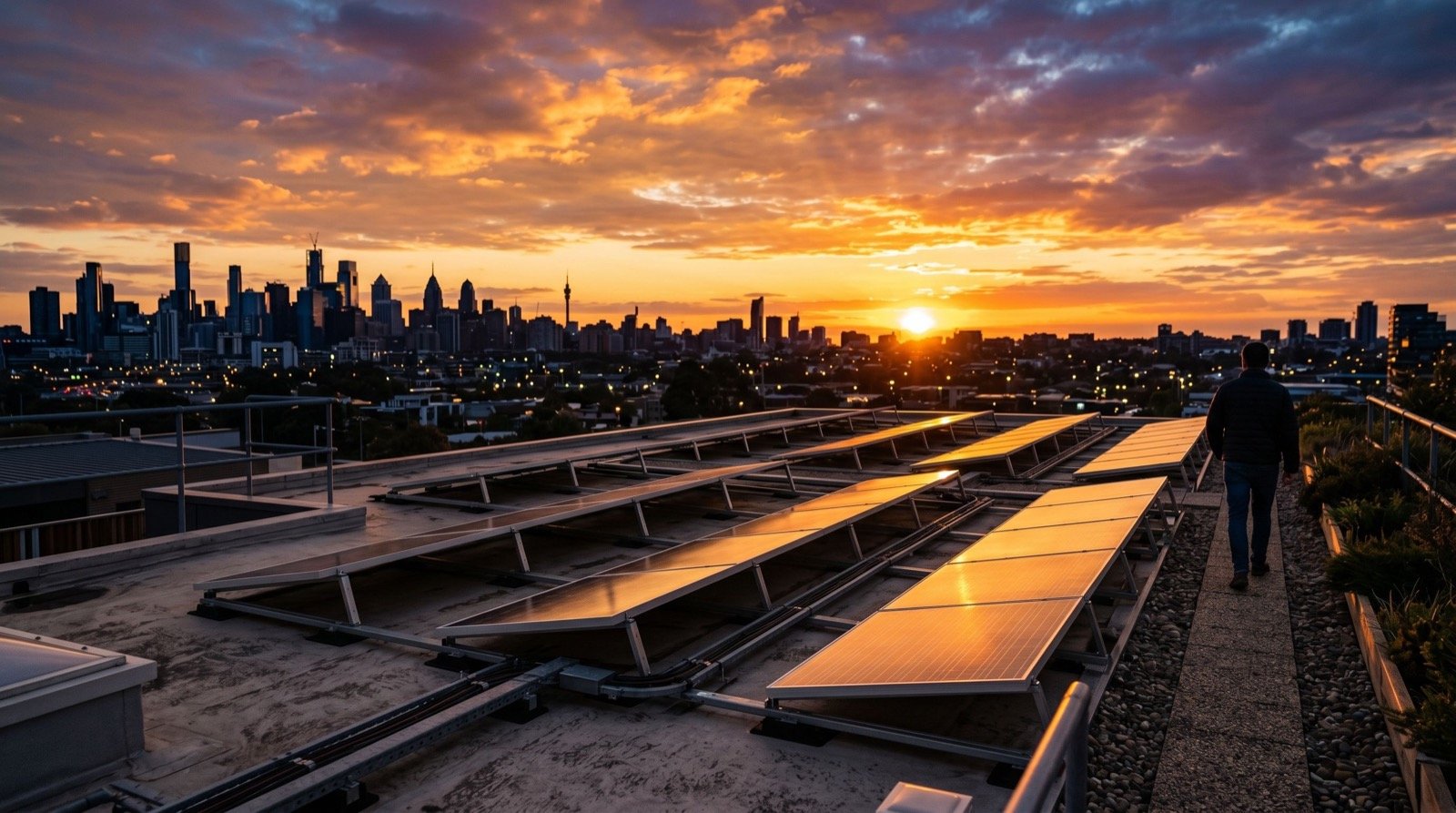
A technician should physically visit your property. Photos sent over WhatsApp are not enough. During the survey, the engineer checks roof strength, available shade-free area, tilt angle and the distance between the array and the inverter.
What a Proper Survey Covers
- Shadow analysis from water tanks, parapet walls and neighbouring buildings.
- Roof type: RCC slab, tin sheet or tiled surface, each needing different mounting.
- Earthing condition and the location of the main distribution board.
- Cable route lengths, since long runs increase voltage drop.
In our experience, shading is the most common hidden loss. A single tank shadow falling across one string at 3 pm can quietly cut daily output by 10 percent.
Step 3: Choose the System Type
Three architectures dominate the local market. Your usage pattern decides which one fits.
| System type | Works during outage? | Battery needed? | Best for |
|---|---|---|---|
| On-grid (net metering) | No | No | Daytime users wanting the lowest bill |
| Hybrid | Yes | Yes | Homes with frequent outages |
| Off-grid | Yes | Yes | Farms and remote locations |
Most urban homes now choose hybrid designs. They keep the grid connection while storing surplus energy for the evening peak.
How Long Does Solar Panel Installation Take?
For a typical residential system between 5 kW and 10 kW, the physical work takes one to three days. Paperwork and equipment sourcing add time before that. Here is a realistic timeline.
- Days 1 to 3: survey, design and written quotation.
- Days 4 to 7: equipment procurement and delivery.
- Days 8 to 10: structure fabrication, panel mounting and cabling.
- Day 11: inverter commissioning, testing and handover.
- Weeks 2 to 6: net-metering file processing, if applicable.
Be wary of anyone promising a finished system in a few hours. Rushed work usually means skipped earthing and poor cable termination.
Step 4: Mounting Structure and Wiring Quality
Panels last 25 years, so the frame holding them must survive monsoon winds. Hot-dip galvanised steel or powder-coated structures resist corrosion far better than painted mild steel. Ask for the gauge and the foundation method in writing.
Cabling matters just as much. Use UV-rated DC cable, proper MC4 connectors and separate DC and AC isolators. Add surge protection on both sides, because Pakistani grid spikes can destroy unprotected inverters.
Earthing and Lightning Protection
Install at least two separate earth pits, one for the array frame and one for the inverter. Check pit resistance with a meter and record the value. Many failures we see traced to dry, poorly maintained earth pits.
Step 5: Budget for Storage Properly
Batteries are the largest swing factor in a hybrid budget. Lead-acid units cost less upfront, but they need replacing every two to three years. Lithium iron phosphate units cost more initially and last roughly eight to ten years. Checking the current lithium battery price in Pakistan before you finalise a design prevents nasty surprises later.
Calculate usable capacity, not just the label. A 5 kWh lithium battery with 90 percent depth of discharge gives you about 4.5 kWh, which will run a fridge, fans, lights and a router overnight comfortably.
Quality Checks Before You Pay the Final Instalment
Treat handover day as an inspection, not a ceremony. Working with quality service providers in any trade means asking for proof, and solar is no different. Request the following before releasing the last payment.
- Datasheets and serial numbers for every panel and inverter.
- Manufacturer warranty cards, not just the installer’s promise.
- A single-line wiring diagram of the final system.
- Commissioning readings: string voltage, current and earth resistance.
- Monitoring app set up on your own phone.
The National Renewable Energy Laboratory publishes freely available guidance on system performance and maintenance. It is a useful reference when you want to verify an installer’s claims.
Maintenance That Protects Your Output
Dust is the main enemy in Pakistan. Clean panels early in the morning with soft water and a squeegee, ideally every two to three weeks in dry seasons. Never spray cold water on hot glass at midday.
Every six months, tighten terminals, inspect cables for rodent damage and check inverter logs for repeated faults. A small habit like this extends system life noticeably.
Frequently Asked Questions
How much does a 5 kW system cost in 2026?
Prices vary with brand, inverter type and battery choice. An on-grid 5 kW setup costs far less than a hybrid with lithium storage. Always request an itemised quotation so you can compare equipment line by line.
Can I install panels on a rented house?
Yes, if the landlord agrees and the structure is designed for easy removal. Many tenants choose lightweight, bolt-on frames that can be relocated when they move.
Do I need net metering approval?
Only if you want to export surplus power to the grid and earn credits. The licensing process runs through your distribution company under rules issued by NEPRA. Off-grid systems need no approval.
How long do panels last?
Quality monocrystalline panels carry 25-year performance warranties and typically retain about 80 to 85 percent of rated output at the end of that period.
Final Thoughts
A successful project depends on honest sizing, a physical survey, good mounting and documented commissioning. Get those four right and your system will quietly pay for itself for decades. If you are ready to begin solar panel installation Pakistan households can rely on, gather your bills, request itemised quotes from at least three installers and start comparing today.